
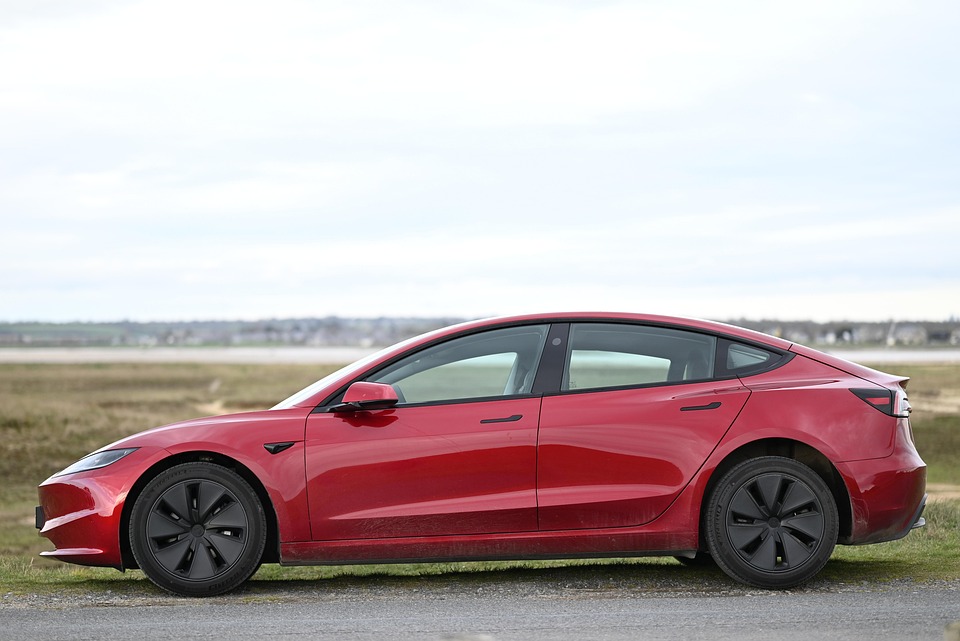
Carpooling, also known as ride-sharing or lift-sharing, is the act of sharing a vehicle with others to travel to a common destination. This simple yet effective practice has numerous benefits, not only for individuals but also for the environment. In this article, we will explore the advantages of carpooling and why it’s an excellent choice for those looking to reduce their carbon footprint and save money.
Benefits for Individuals
- Cost Savings: Carpooling can significantly reduce fuel costs, tolls, and parking fees, as these expenses are shared among passengers.
- Reduced Stress: By not having to drive every day, carpoolers can relax, read, or work during their commute, reducing stress and increasing productivity.
- Increased Social Connections: Carpooling provides an opportunity to meet new people and build relationships, which can lead to a stronger sense of community and social connections.
- Improved Safety: Traveling with others can be safer, especially at night or in unfamiliar areas, as there is always someone to assist in case of an emergency.
Benefits for the Environment
- Reduced Greenhouse Gas Emissions: By reducing the number of vehicles on the road, carpooling helps decrease carbon emissions, which contribute to climate change and air pollution.
- Less Traffic Congestion: Fewer cars on the road means less traffic congestion, which reduces travel time, fuel consumption, and air pollution.
- Conservation of Resources: Carpooling helps conserve natural resources, such as oil and gas, by reducing the demand for fuel and minimizing the need for new roads and infrastructure.
- Improved Air Quality: By reducing the number of vehicles emitting pollutants, carpooling helps improve air quality, which is essential for public health and the environment.
How to Start Carpooling
Starting a carpool is easier than you think. Here are some steps to get you started:
- Identify potential carpool partners, such as coworkers, friends, or neighbors who live nearby and have similar schedules.
- Use online platforms or apps, such as Waze Carpool or Carpool Buddy, to find and connect with carpool partners.
- Discuss and agree on the details, including the route, schedule, and cost-sharing arrangements.
- Start small and be flexible, as carpooling may require some adjustments to your daily routine.
In conclusion, carpooling is a simple yet effective way to reduce your carbon footprint, save money, and improve your overall well-being. By sharing a vehicle with others, you can contribute to a more sustainable and environmentally friendly transportation system, while also enjoying the benefits of reduced stress, increased social connections, and improved safety. So, why not give carpooling a try? Your wallet, the environment, and your fellow commuters will thank you!
Leave a Reply