
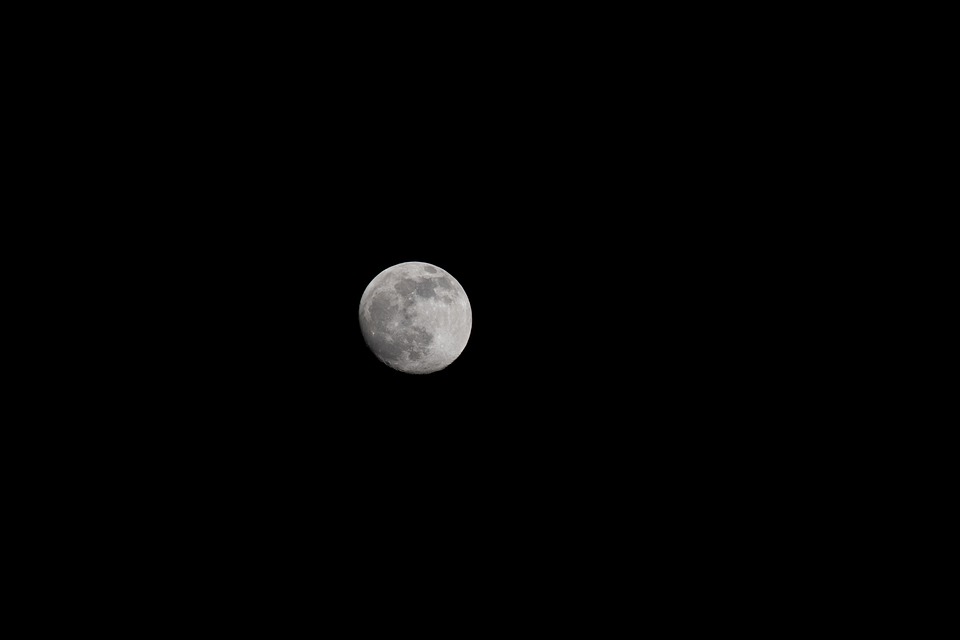
For centuries, anglers have been aware of the mysterious connection between the lunar cycle and fish behavior. Many experienced fishermen swear by the idea that the phases of the moon can significantly impact the success of their fishing trips. But what’s behind this phenomenon, and how can you use it to your advantage? In this article, we’ll delve into the world of lunar fishing and explore how to use the moon’s cycles to catch more fish and avoid the slump.
Understanding the Lunar Cycle
The lunar cycle, also known as the synodic month, is the time it takes for the moon to orbit the Earth, which is approximately 29.5 days. During this cycle, the moon goes through eight distinct phases: new moon, waxing crescent, first quarter, waxing gibbous, full moon, waning gibbous, last quarter, and waning crescent. Each phase has a unique effect on the tides, water levels, and fish behavior.
The Four Primary Lunar Phases for Fishing
While all eight phases have some impact on fishing, four primary phases are particularly significant: new moon, full moon, first quarter, and last quarter. These phases are characterized by the most pronounced changes in tidal patterns and fish behavior.
- New Moon: During the new moon phase, the moon is positioned between the Earth and the sun, resulting in a “dark” moon. This phase often brings increased fish activity, especially for species like bass and trout, as they tend to feed more aggressively during this period.
- Full Moon: The full moon phase occurs when the moon is on the opposite side of the Earth from the sun, making it fully illuminated. This phase is often associated with peak fish activity, particularly for species like tarpon and snook, as they tend to feed more actively during the night.
- First Quarter: The first quarter moon phase occurs when the moon is half-illuminated, with the right half visible from Earth. This phase is often characterized by increased fish movement and feeding activity, especially for species like salmon and steelhead.
- Last Quarter: The last quarter moon phase occurs when the moon is half-illuminated, with the left half visible from Earth. This phase is often associated with a decrease in fish activity, as many species tend to become more sluggish and less active.
How to Use Lunar Phases to Catch More Fish
Now that you understand the primary lunar phases and their effects on fish behavior, here are some tips to help you use this knowledge to your advantage:
- Plan your fishing trips: Schedule your fishing trips around the new moon, full moon, and first quarter phases, when fish are most active.
- Choose the right tackle: Select lures and baits that are suitable for the specific lunar phase and fish species you’re targeting.
- Pay attention to tidal patterns: Understand how the lunar phases affect tidal patterns and plan your fishing accordingly. For example, during the new moon and full moon phases, tides tend to be more extreme, which can lead to increased fish activity.
- Be prepared to adapt: Be prepared to adjust your fishing strategy based on the lunar phase and fish behavior. For example, during the last quarter phase, you may need to use more subtle presentations and slower retrieves to entice sluggish fish.
Avoiding the Slump
While the lunar cycle can significantly impact fish behavior, it’s essential to remember that other factors like weather, water temperature, and fishing pressure can also influence the success of your fishing trip. To avoid the slump, consider the following:
- Monitor weather conditions: Keep an eye on weather forecasts and be prepared to adjust your fishing plans accordingly.
- Pay attention to water temperature: Understand how water temperature affects fish behavior and adjust your fishing strategy accordingly.
- Vary your fishing locations: Don’t get stuck in a rut – try different locations and structures to find active fish.
- Stay flexible: Be prepared to adjust your fishing strategy based on the conditions and fish behavior.
Conclusion
By understanding the lunar cycle and its effects on fish behavior, you can gain a valuable edge on your fishing trips. Remember to plan your trips around the primary lunar phases, choose the right tackle, pay attention to tidal patterns, and be prepared to adapt to changing conditions. While the lunar cycle is not the only factor that affects fish behavior, it’s an essential component of a successful fishing strategy. So, the next time you’re planning a fishing trip, take a closer look at the moon and see how it can help you catch more fish and avoid the slump.
Leave a Reply