
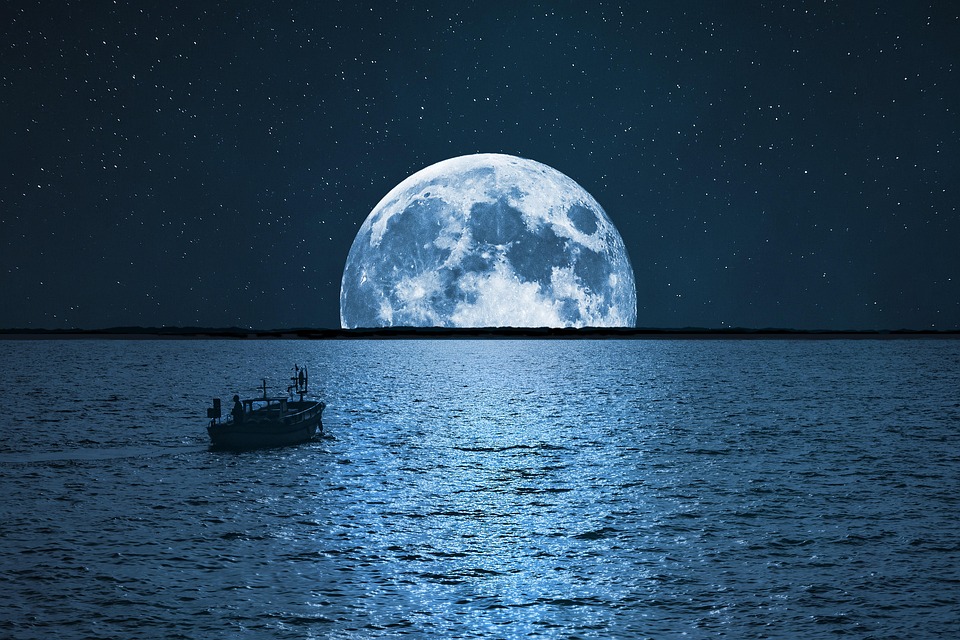
Fishing is an ancient and timeless activity that has been a part of human culture for thousands of years. While many anglers rely on traditional methods and techniques to catch fish, some have long believed that the phases of the moon can have a significant impact on fish activity. In this article, we’ll delve into the world of lunar-based fishing and explore how the different phases of the moon can affect fish behavior and fishing success.
The Lunar Cycle and Fish Activity
The lunar cycle, which lasts approximately 29.5 days, is divided into eight distinct phases, each with its own unique characteristics and effects on fish behavior. The primary phases of the moon are:
- New Moon: The side of the moon facing the Earth is not illuminated by the sun.
- Waxing Crescent: The moon appears to be growing larger as more of its illuminated surface is visible from Earth.
- First Quarter: The moon is half-illuminated, with the right half visible from Earth.
- Waxing Gibbous: The moon continues to appear larger and fuller as more of its illuminated surface is visible.
- Full Moon: The entire face of the moon is illuminated by the sun, making it fully visible from Earth.
- Waning Gibbous: The moon appears to be decreasing in size as less of its illuminated surface is visible.
- Last Quarter: The left half of the moon is illuminated, with the right half in shadow.
- Waning Crescent: The moon appears as a thin crescent in the sky as it approaches the next new moon phase.
How Moon Phases Affect Fish Activity
While the exact mechanisms behind the lunar cycle’s impact on fish activity are not fully understood, research suggests that the changing moon phases can influence fish behavior in several ways:
- Tides and Water Movement: The gravitational pull of the moon causes the oceans’ tides to rise and fall, which can stir up food sources and create currents that attract fish.
- Feeding Behavior: Some fish species are believed to feed more actively during certain moon phases, such as the full moon or new moon, when the changed lighting conditions may make it easier for them to find prey.
- Spawning and Migration: The lunar cycle can trigger spawning and migration events in some fish species, as the changed light and tidal conditions may signal the optimal time for reproduction or movement to new habitats.
- Activity Peaks: Certain moon phases, such as the full moon or first quarter, may coincide with peaks in fish activity, as the increased light and changed water conditions may stimulate fish to move and feed more actively.
Fishing Strategies Based on Moon Phases
While the relationship between moon phases and fish activity is complex and not always predictable, anglers can use the following strategies to increase their chances of success:
- Fish during peak activity periods: Focus on fishing during the full moon, first quarter, or last quarter phases, when fish are believed to be more active.
- Target specific species: Research the specific moon-phase preferences of your target species and plan your fishing trips accordingly.
- Adjust your fishing location: Consider fishing in areas with strong tidal currents or structure, such as reefs or drop-offs, which may attract fish during certain moon phases.
- Use appropriate tackle and bait: Choose lures or bait that imitate the natural food sources available during the specific moon phase, and adjust your tackle to match the expected fish behavior.
Conclusion
Fishing by the light of the moon can be a fascinating and rewarding experience, as the changing lunar phases can have a significant impact on fish activity and behavior. By understanding the relationships between moon phases, tides, and fish behavior, anglers can increase their chances of success and develop more effective fishing strategies. Whether you’re a seasoned pro or just starting out, considering the lunar cycle can add a new layer of excitement and challenge to your fishing adventures.
Leave a Reply