The moon has long been a source of fascination for humans, with its phases captivating our imagination and influencing our lives in subtle yet profound ways. The lunar cycle, which lasts approximately 29.5 days, is divided into eight distinct phases, each with its unique characteristics and energies. In this article, we will delve into the world of moon phases, exploring their meanings, significance, and how they impact our daily lives.
The Eight Moon Phases: An Overview
The eight moon phases are:
- New Moon: The beginning of a new lunar cycle, marked by the moon’s invisible presence in the sky.
- Waxing Crescent: The moon appears to be growing larger as it approaches the first quarter phase.
- First Quarter: The moon is half-illuminated, with the right half visible in the sky.
- Waxing Gibbous: The moon continues to grow larger, with more of its illuminated surface visible.
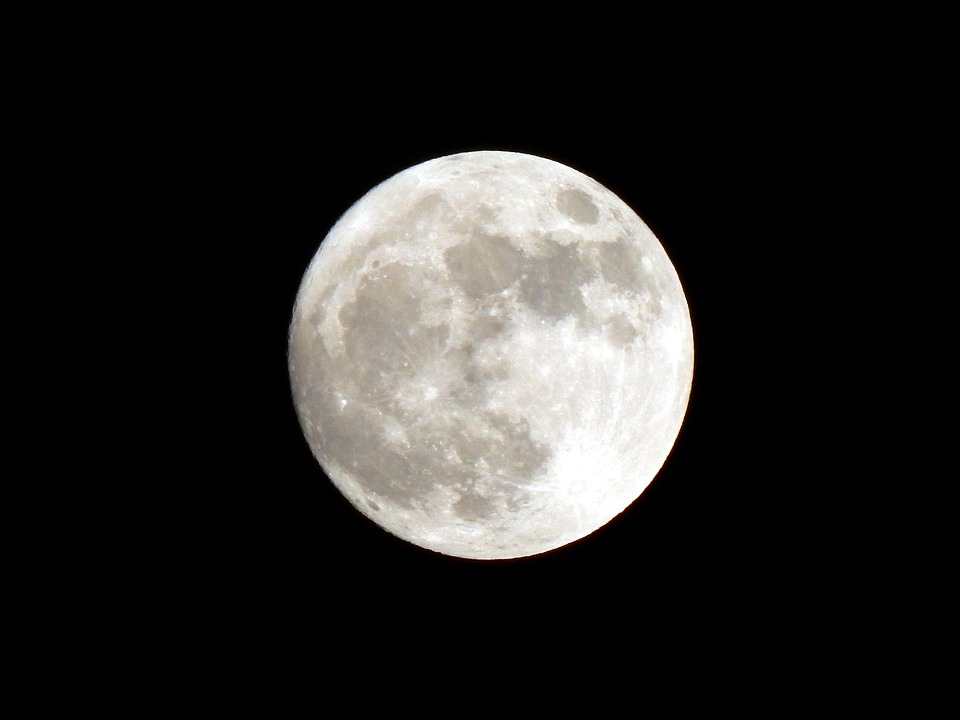
- Full Moon: The entire face of the moon is illuminated, making it fully visible in the night sky.
- Waning Gibbous: The moon appears to be decreasing in size as it moves away from full moon.
- Last Quarter: The left half of the moon is illuminated, with the right half in shadow.
- Waning Crescent: The moon appears as a thin crescent in the sky, with decreasing illumination.
The Spiritual Significance of Moon Phases
The moon phases have long been associated with spiritual and mystical practices, with each phase believed to possess unique energies and properties. Many people use the moon phases to guide their personal growth, meditation, and spell-casting practices.
The new moon is often seen as a time for new beginnings, while the full moon is associated with completion and release. The waxing phases are believed to be ideal for growth, increase, and manifestation, while the waning phases are thought to be best for release, transformation, and renewal.
Moon Phases and Astrology
The moon phases also play a significant role in astrology, with the lunar cycle influencing the positions of the planets and the interpretation of birth charts. The moon’s phases are believed to affect the tides of human emotion, with the full moon often associated with heightened emotions and intense experiences.
Astrologers use the moon phases to predict future events, understand personality traits, and provide guidance for personal growth and development. By studying the moon phases and their interactions with the planets, astrologers can gain a deeper understanding of the complexities of human nature and the workings of the universe.
Practical Applications of Moon Phases
While the spiritual and astrological significance of moon phases is profound, there are also practical ways to incorporate the lunar cycle into your daily life. Here are a few examples:
- Gardening: Plant seeds during the new moon, and harvest during the full moon for optimal growth and yield.
- Meditation and Mindfulness: Use the moon phases to guide your meditation practice, focusing on growth and increase during the waxing phases, and release and transformation during the waning phases.
- Goal Setting: Set new goals and intentions during the new moon, and review progress during the full moon.
Conclusion
The moon phases are a powerful and ancient symbol of the cyclical nature of life, influencing our emotions, spiritual practices, and daily lives. By understanding and working with the moon phases, we can tap into the magic and mystery of the lunar cycle, and cultivate a deeper connection with the natural world and ourselves. Whether you’re an astrologer, a spiritual seeker, or simply someone looking to deepen your understanding of the world, the moon phases offer a rich and rewarding area of study and exploration.
Leave a Reply