
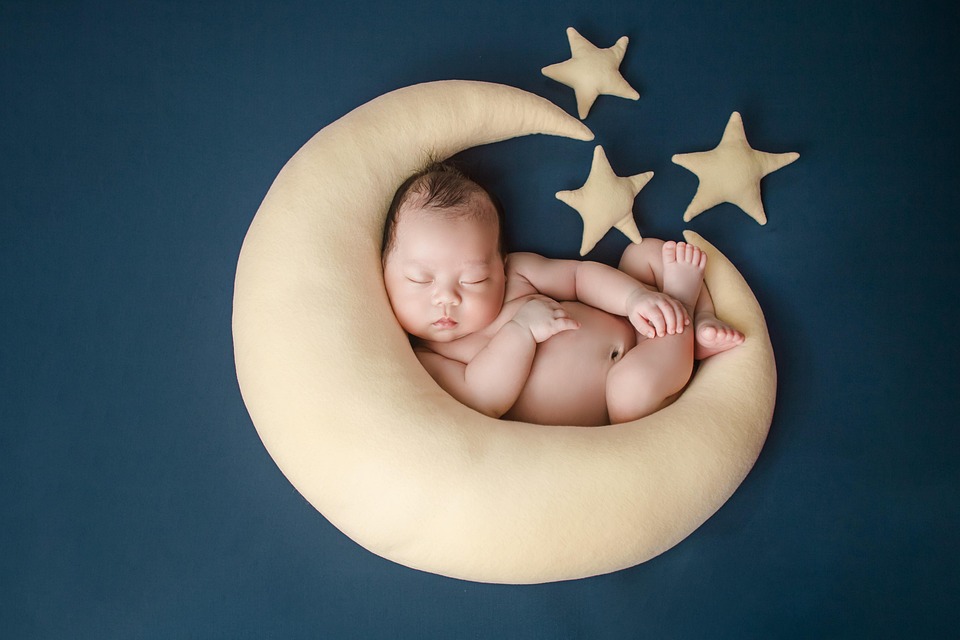
For centuries, humans have been fascinated by the moon and its supposed influence on our behavior, emotions, and physical bodies. One area of particular interest is the connection between lunar rhythms and sleep cycles. While the scientific community has long debated the existence of a direct link, research suggests that the moon’s cycles may indeed have an impact on our sleep patterns. In this article, we’ll delve into the fascinating world of lunar rhythms and explore the potential connections to our sleep cycles.
Understanding Lunar Rhythms
The lunar cycle, also known as the synodic month, is approximately 29.5 days long and consists of eight distinct phases: new moon, waxing crescent, first quarter, waxing gibbous, full moon, waning gibbous, last quarter, and waning crescent. Each phase is characterized by changes in the moon’s illumination, which, in turn, affect the tides, the stability of the Earth’s crust, and potentially, our internal rhythms.
The Science Behind Lunar Rhythms and Sleep
Research has shown that the lunar cycle can influence our sleep patterns in several ways:
- Melatonin regulation: The full moon has been linked to increased melatonin levels, which can lead to deeper sleep and improved sleep quality. Conversely, the new moon has been associated with decreased melatonin production, potentially causing sleep disturbances.
- Circadian rhythm synchronization: The lunar cycle may help regulate our internal body clocks, with the full moon acting as a synchronizer to reset our circadian rhythms. This synchronization can lead to improved sleep-wake cycles and overall sleep quality.
- Gravitational influences: The moon’s gravitational pull can affect the Earth’s tides, which, in turn, may influence our bodily rhythms, including sleep patterns. The gravitational force can also impact the production of hormones that regulate sleep, such as melatonin and cortisol.
Real-Life Implications: How Lunar Rhythms Can Impact Sleep Cycles
While the scientific evidence is still emerging, many people claim to experience changes in their sleep patterns during specific lunar phases. Some common observations include:
- Full moon insomnia: Some individuals report difficulty sleeping or experiencing vivid dreams during the full moon phase, potentially due to increased melatonin levels and heightened brain activity.
- New moon sleepiness: Others may feel more tired or lethargic during the new moon phase, possibly due to decreased melatonin production and disrupted circadian rhythms.
- Lunar cycle sleep tracking: Some people use lunar calendars or apps to track their sleep patterns and plan their sleep schedules accordingly, taking advantage of the moon’s potential influence on their sleep-wake cycles.
Conclusion: Embracing the Lunar Connection
While the connection between lunar rhythms and sleep cycles is still being researched and debated, the existing evidence suggests that the moon’s cycles may indeed have an impact on our sleep patterns. By acknowledging and embracing this connection, we can potentially harness the moon’s influence to improve our sleep quality, regulate our circadian rhythms, and cultivate a deeper understanding of our internal bodily rhythms.
So, the next time you gaze up at the night sky, remember that the moon’s gentle glow may be more than just a pretty sight – it could be a key to unlocking a deeper understanding of your own sleep cycles and overall well-being.
Leave a Reply