
The lunar cycle has long been recognized as a significant factor in influencing the behavior and migration patterns of fish in both freshwater and saltwater environments. By understanding the different phases of the lunar cycle and their impact on fish behavior, anglers can increase their chances of a successful fishing trip. In this article, we will explore the various phases of the lunar cycle and their effects on fishing.
Introduction to the Lunar Cycle
The lunar cycle, also known as the moon phase, is the periodic change in the appearance of the Moon as it orbits the Earth. The cycle is divided into eight distinct phases, each lasting approximately 3.5 days. The phases are: New Moon, Waxing Crescent, First Quarter, Waxing Gibbous, Full Moon, Waning Gibbous, Last Quarter, and Waning Crescent.
Phases of the Lunar Cycle and Their Impact on Fishing
- New Moon: During the new moon phase, the fishing tends to be slower due to the lack of moonlight. However, this phase can be ideal for fishing in shallow waters or near structure, as fish tend to congregate in these areas.
- Waxing Crescent: As the moon waxes, the fishing tends to improve, especially during the late afternoon and evening hours. This phase is ideal for fishing in areas with submerged vegetation or near drop-offs.
- First Quarter: The first quarter moon phase is often considered one of the best times for fishing, as the increasing moonlight stimulates fish activity. This phase is ideal for fishing in areas with strong currents or near underwater structures.
- Waxing Gibbous: During the waxing gibbous phase, the fishing tends to remain strong, especially during the nighttime hours. This phase is ideal for fishing in areas with plenty of cover, such as rocks or weed beds.
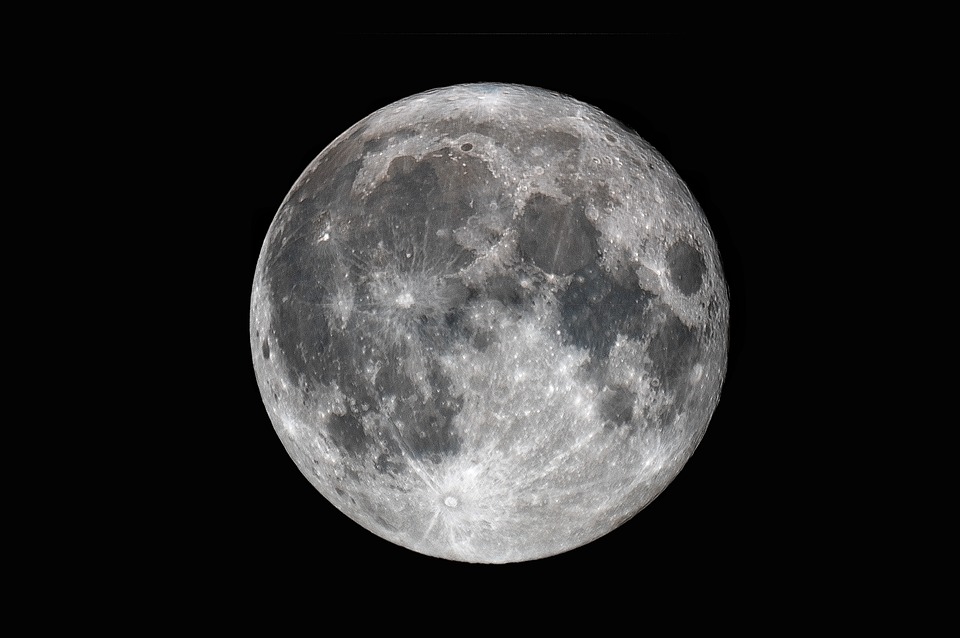
- Full Moon: The full moon phase can be a challenging time for fishing, as the bright moonlight can make fish more cautious. However, this phase can be ideal for fishing in areas with deep water or near underwater humps.
- Waning Gibbous: As the moon wanes, the fishing tends to slow down, especially during the daytime hours. This phase is ideal for fishing in areas with plenty of structure, such as sunken logs or rocky outcroppings.
- Last Quarter: The last quarter moon phase is similar to the first quarter phase, with increasing fish activity as the moonlight decreases. This phase is ideal for fishing in areas with strong currents or near underwater structures.
- Waning Crescent: During the waning crescent phase, the fishing tends to be slower due to the lack of moonlight. However, this phase can be ideal for fishing in shallow waters or near structure, as fish tend to congregate in these areas.
Freshwater Fishing and the Lunar Cycle
In freshwater environments, the lunar cycle can have a significant impact on fish behavior, particularly for species such as bass, walleye, and catfish. During the full moon phase, these species tend to move into shallower waters to feed, while during the new moon phase, they tend to move into deeper waters to seek refuge.
Saltwater Fishing and the Lunar Cycle
In saltwater environments, the lunar cycle can also have a significant impact on fish behavior, particularly for species such as tarpon, snook, and redfish. During the full moon phase, these species tend to migrate into shallower waters to spawn, while during the new moon phase, they tend to move into deeper waters to seek refuge.
Conclusion
In conclusion, the lunar cycle can have a significant impact on fish behavior in both freshwater and saltwater environments. By understanding the different phases of the lunar cycle and their effects on fish behavior, anglers can increase their chances of a successful fishing trip. Whether you’re fishing in a lake, river, or ocean, it’s essential to consider the lunar cycle when planning your fishing trip.
For more information on fishing and the lunar cycle, visit our website at https://www.fishinglunar.com. We provide detailed lunar calendars, fishing forecasts, and tips from experienced anglers to help you make the most of your fishing trip.
Leave a Reply