
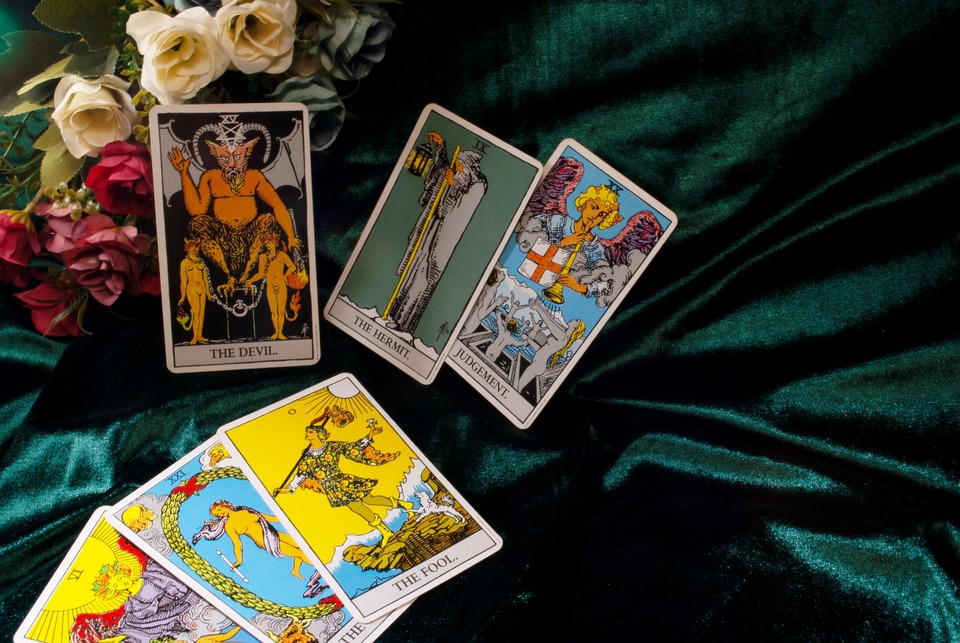
In the world of cartomancy, two popular forms of divination have gained significant attention in recent years: Tarot cards and Oracle cards. While both are used for gaining insight and guidance, they have distinct differences in their origins, symbolism, and usage. In this article, we’ll explore the reasons why traditionalists still swear by the Tarot, and what sets it apart from Oracle cards.
A Brief History of Tarot and Oracle Cards
Tarot cards have a rich history dating back to the 15th century, originating in Italy as a game called Tarocchi. Over time, the cards evolved to incorporate symbolism, allegory, and esoteric knowledge, becoming a tool for divination and self-reflection. Oracle cards, on the other hand, are a more modern creation, emerging in the mid-20th century as a response to the growing interest in spirituality and personal growth.
Key Differences Between Tarot and Oracle Cards
- Symbolism and Imagery: Tarot cards feature complex, layered symbolism and imagery, drawing from various esoteric traditions, including alchemy, astrology, and Kabbalah. Oracle cards, while often visually stunning, tend to have more straightforward and literal imagery.
- Structure and System: Tarot decks consist of 78 cards, divided into the Major and Minor Arcana, with each card having a specific position and relationship to others. Oracle decks, by contrast, can have any number of cards, with no fixed structure or system.
- Interpretation and Depth: Tarot cards require a deeper understanding of symbolism, context, and card relationships to interpret accurately. Oracle cards, while still open to interpretation, often provide more explicit guidance and affirmations.
Why Traditionalists Prefer Tarot
Despite the rising popularity of Oracle cards, many traditionalists still swear by the Tarot for several reasons:
- Depth and Complexity: Tarot cards offer a richer, more nuanced system for exploring the human experience, allowing readers to tap into the collective unconscious and access deeper levels of consciousness.
- Historical Significance and Lineage: Tarot has a proven track record, with centuries of development and refinement, making it a trusted and revered tool among spiritual seekers.
- Versatility and Adaptability: Tarot can be used for various purposes, from simple guidance to in-depth self-analysis, making it an invaluable resource for personal growth and transformation.
Conclusion
In conclusion, while Oracle cards have their own unique charm and benefits, traditionalists still prefer the Tarot for its depth, complexity, and historical significance. The Tarot’s rich symbolism, structured system, and versatility make it an unparalleled tool for self-discovery and spiritual exploration. Whether you’re a seasoned reader or just starting your journey, the Tarot remains an timeless and powerful companion for navigating life’s twists and turns.
Leave a Reply