
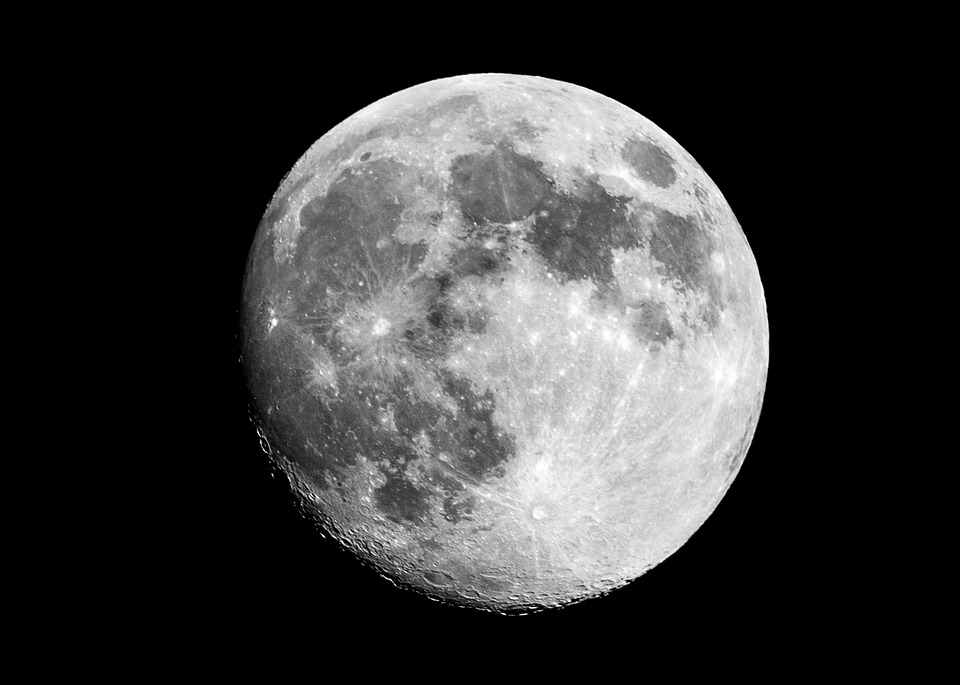
The Moon has long been a source of fascination for humans, with its phases and cycles influencing our emotions, behavior, and even our physical bodies. From the tides to our menstrual cycles, the Moon’s gravitational pull has a profound impact on our lives. In this article, we’ll explore the ways in which the Moon’s influence shapes our emotions and behavior, and how we can harness its power to improve our well-being.
The Lunar Cycle: A Brief Overview
The lunar cycle, also known as the synodic month, is approximately 29.5 days long and is divided into eight distinct phases. These phases are: New Moon, Waxing Crescent, First Quarter, Waxing Gibbous, Full Moon, Waning Gibbous, Last Quarter, and Waning Crescent. Each phase is associated with different energies, emotions, and themes, which can affect our moods, relationships, and overall behavior.
The Moon’s Influence on Emotions
Research has shown that the Moon’s cycles can have a significant impact on our emotional states. For example:
- New Moon: A time for new beginnings, the New Moon is associated with feelings of renewal, hope, and optimism. It’s a great time to set intentions, make plans, and start new projects.
- Full Moon: The Full Moon is often linked to heightened emotions, increased energy, and a sense of completion. It’s a time for release, celebration, and acknowledging accomplishments.
- Waxing Moon: The Waxing Moon is associated with growth, expansion, and increased motivation. It’s a great time to take action, pursue goals, and build momentum.
- Waning Moon: The Waning Moon is a time for release, letting go, and introspection. It’s a great time to reflect on past experiences, forgive, and prepare for new beginnings.
The Moon’s Influence on Behavior
The Moon’s cycles can also influence our behavior, with some phases associated with increased creativity, productivity, and social activity. For example:
- Creative Expression: The Waxing Moon is often associated with increased creativity, inspiration, and artistic expression. It’s a great time to pursue creative projects, write, paint, or compose music.
- Social Activity: The Full Moon is often linked to increased social activity, community engagement, and celebration. It’s a great time to connect with friends, attend events, and build relationships.
- Introspection and Self-Care: The Waning Moon is a time for introspection, self-care, and relaxation. It’s a great time to practice mindfulness, meditation, and self-reflection.
Harnessing the Moon’s Power
By understanding the Moon’s influence on our emotions and behavior, we can harness its power to improve our well-being and live more in tune with nature. Here are some tips:
- Keep a Moon Journal: Record your emotions, thoughts, and experiences during each lunar phase to identify patterns and gain insights.
- Plan According to the Moon: Schedule activities, appointments, and projects according to the lunar cycle to maximize productivity and success.
- Practice Moon-Inspired Self-Care: Engage in activities that align with the current lunar phase, such as meditation during the Waning Moon or creative expression during the Waxing Moon.
In conclusion, the Moon’s influence on our emotions and behavior is a powerful and fascinating phenomenon. By understanding and working with the lunar cycles, we can tap into the Moon’s energy and live more harmoniously with nature. So, next time you gaze up at the night sky, remember the Moon’s subtle yet profound impact on our lives, and let its gentle light guide you towards a more balanced, intuitive, and fulfilling existence.
Leave a Reply